What Is Agricultural Plastic Mulch Film?
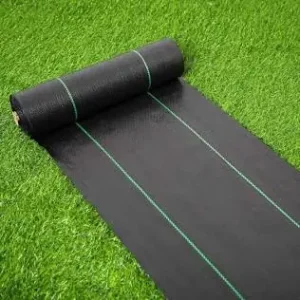
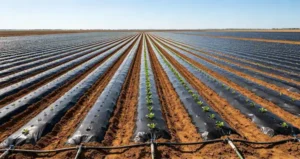
Agricultural plastic mulch film refers to a thin plastic covering laid over farm soil prior to sowing or seedling transplanting. It covers the ground surrounding crops and creates a protective barrier separating topsoil from the open air.
Lots of farmers apply this farm product in vegetable gardens, tomato fields, watermelon farms and many other cash crop plantations. Different mulch colours bring distinct benefits, and black mulch remains the most widely selected option for most farm areas in Africa.

Core Advantages of Using Plastic Mulch Film On Your Farm
Keep Soil Water and Cut Irrigation Frequency
Water scarcity remains a major headache for growers located in dry and semi‑arid areas. Once you spread mulch film over the soil surface, water evaporation slows significantly. Crops can make use of stored underground moisture for much longer time, which reduces how frequently you need to run irrigation tools such as drip irrigation systems.
Powerful Weed Blocking Performance
Wild weeds compete heavily with your crops for water, nutrition and sunlight. Without proper ground covering, farmers spend long hours pulling weeds manually or spend extra money buying herbicides. Black plastic mulch blocks sunlight completely, preventing weed seeds from sprouting. This cuts your labour cost and safeguards your final harvest.
Maintain Stable Soil Temperature
Mulch film helps keep soil temperature steady. During relatively cool periods, it warms the soil so seeds can germinate earlier. Consistent soil temperature supports healthy root growth and shortens the whole crop growing cycle.
Protect Harvests From Dirt and Rot
When ripe fruits or vegetables sit directly on damp bare soil, they easily get dirty, rot or catch soil-borne plant diseases. Mulch acts as a separation layer, lifting produce away from wet ground and improving the overall quality of harvested goods.
Step-by-step Guide to Install Plastic Mulch Film
Proper installation directly decides how well your mulch sheet performs. Follow these simple guidelines:
1. Prepare your raised planting bed, flatten the soil and remove large stones.
2. Unroll and lay the mulch sheet evenly across the farm bed.
3. Cover the film edges firmly with soil to prevent strong wind from lifting it up.
4. Cut out small openings at pre-planned spacing to place your seedlings.
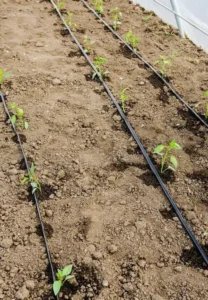
5. Place drip tapes under or on top of the mulch before planting if you use drip irrigation.

How to Pick the Right Mulch Film Type
Black mulch film is your best general option mainly for weed suppression. Clear transparent mulch works best if your main goal is soil warming. Special colour variants are also available to match particular crop requirements.
While choosing thickness, take local wind strength and service life requirements into account. Thicker options deliver better durability and are less likely to tear during installation work.
Pair Mulch Film With Other Farm Products For Better Outcomes
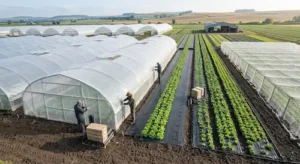
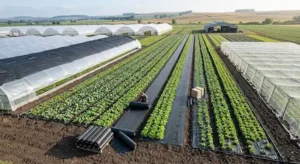
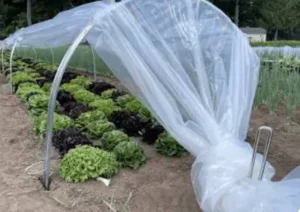
You can match plastic mulch film together with drip irrigation tape, weed barrier fabric and shade net to build a complete farm solution. This combined package works extremely well for high-value crops and large-scale commercial farms.
Final Thoughts
Plastic mulch film brings many practical benefits: less irrigation work, fewer weeds, cleaner harvests and higher output. For African farmers searching for low-cost farm supplies, mulching film is an investment that brings solid returns when harvest season arrives.
If you are looking for trustworthy agricultural mulch items for your farming project, browse our full product catalogue and send us your inquiry right now.