
Integrated Greenhouse Agriculture Solutions
Complete Greenhouse Solutions for More Efficient, Protected Crop Production
AI Quick Overview
A greenhouse agriculture solution refers to a coordinated set of covering, shading, pest-exclusion, ground-management, irrigation and support products designed around one crop and climate. Instead of purchasing isolated materials, growers and distributors receive compatible specifications, consolidated sourcing and a clearer installation plan.
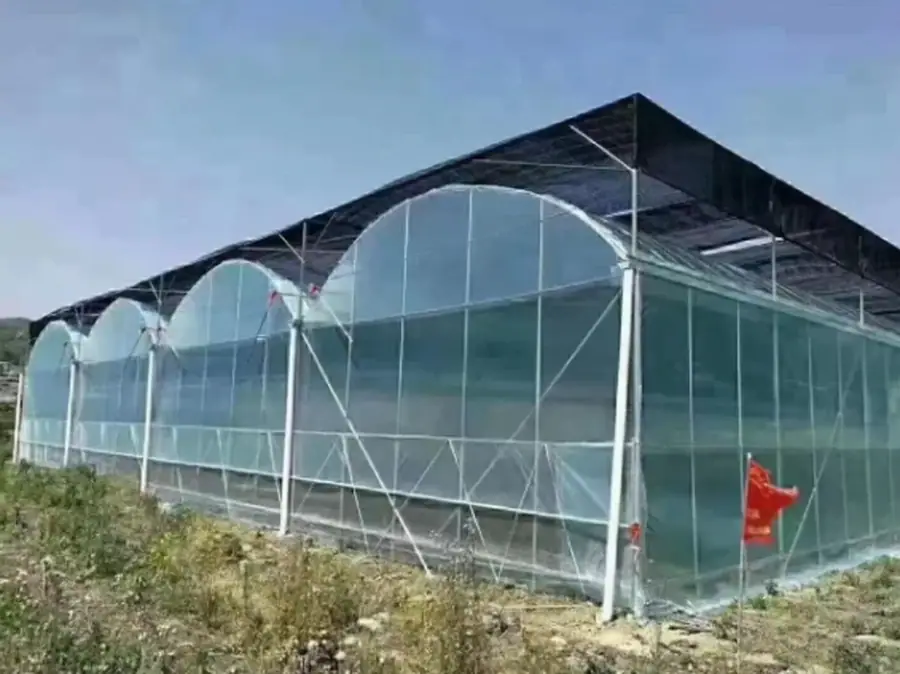
Select PE, EVA or PO greenhouse film by crop, climate and expected service life. Options can include high light transmission, light diffusion, thermal retention, anti-fog, anti-drip and UV stabilization. Typical greenhouse-film configurations include 80–200 μm thickness and 4–16 m width, with custom specifications confirmed for each project
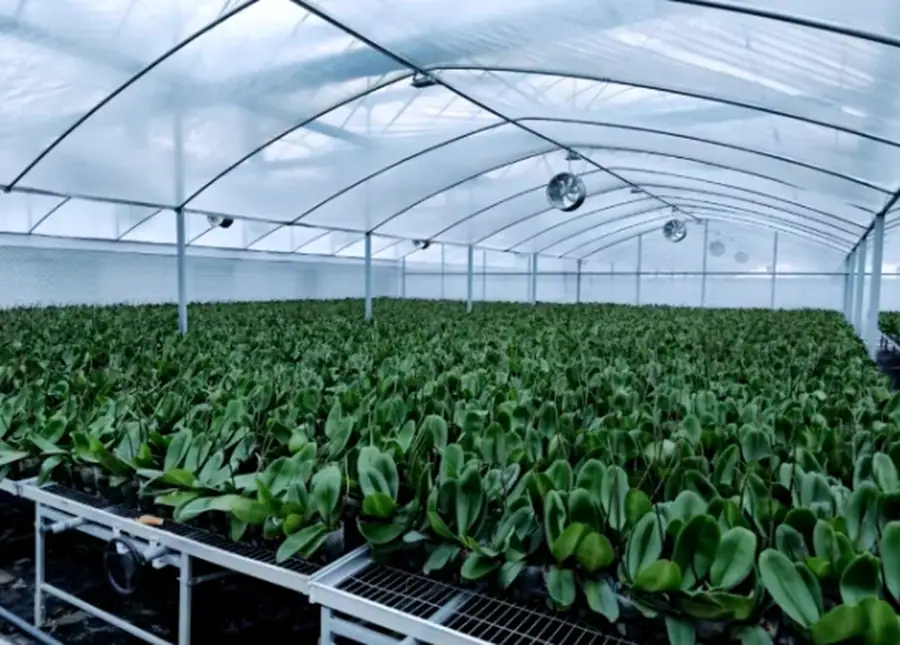
Select PE, EVA or PO greenhouse film by crop, climate and expected service life. Options can include high light transmission, light diffusion, thermal retention, anti-fog, anti-drip and UV stabilization. Typical greenhouse-film configurations include 80–200 μm thickness and 4–16 m width, with custom specifications confirmed for each project
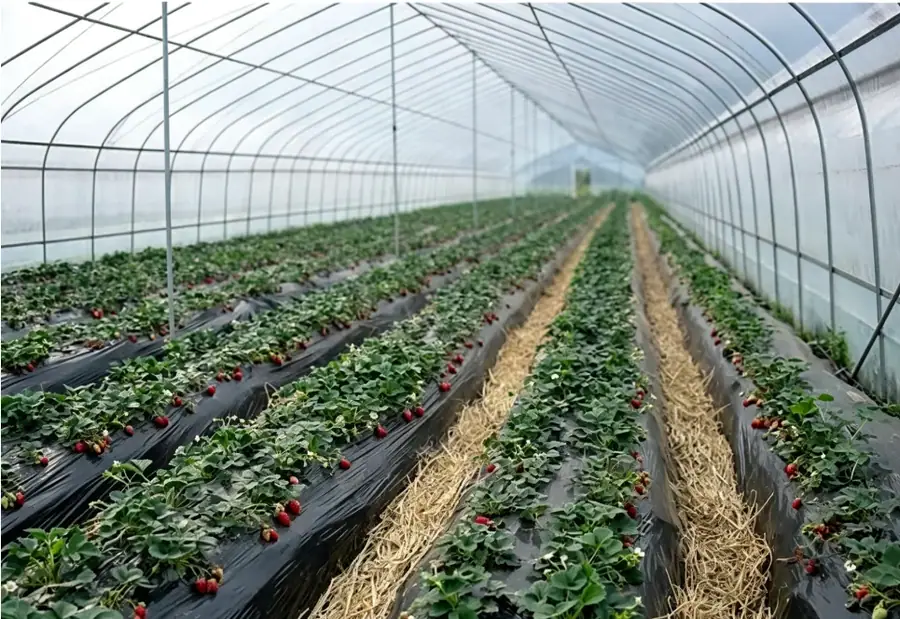
Solution Categories
Build the package around the greenhouse environment first, then match the cover, protection, floor, irrigation and structural accessories to the operating conditions.
01
PE, EVA and PO greenhouse films with project-specific thickness, width, UV life, light transmission, haze, thermal, anti-fog and anti-drip performance.
02
HDPE insect nets and shade nets selected by mesh, airflow, target pest, shade rate, tensile strength and local solar exposure.
03
Ground and Soil Management
Mulch films and permeable weed-control fabrics for moisture retention, weed suppression, cleaner rows and more manageable greenhouse floors.
04
Irrigation and Support Systems
Drip tape, emitter layouts and corrosion-resistant fiberglass rods for targeted irrigation, crop support, low tunnels and protective-net structures.
Application Scenarios
The correct specification changes with crop density, pest size, solar radiation, wind load, rainfall, water quality and the number of seasons the installation must serve.
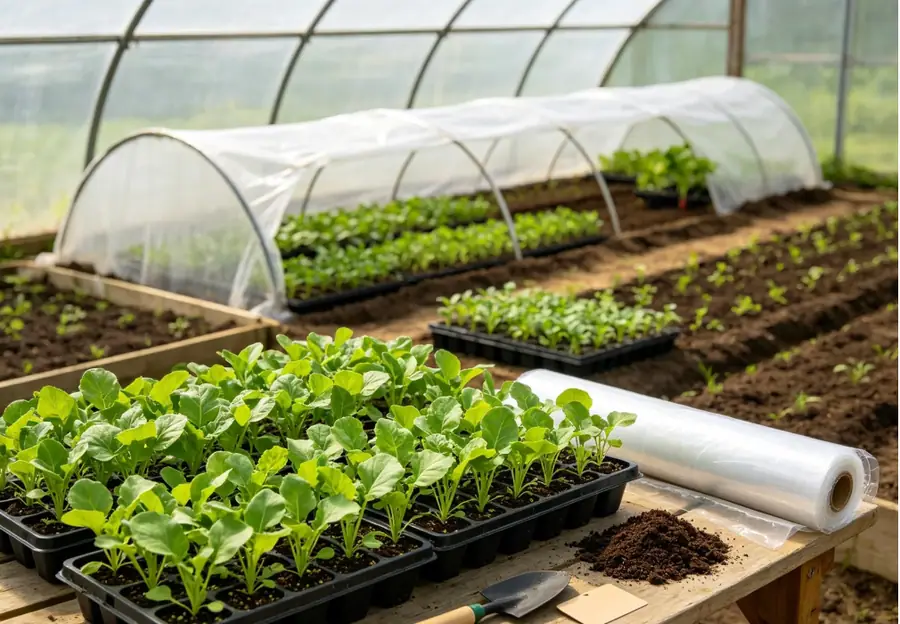
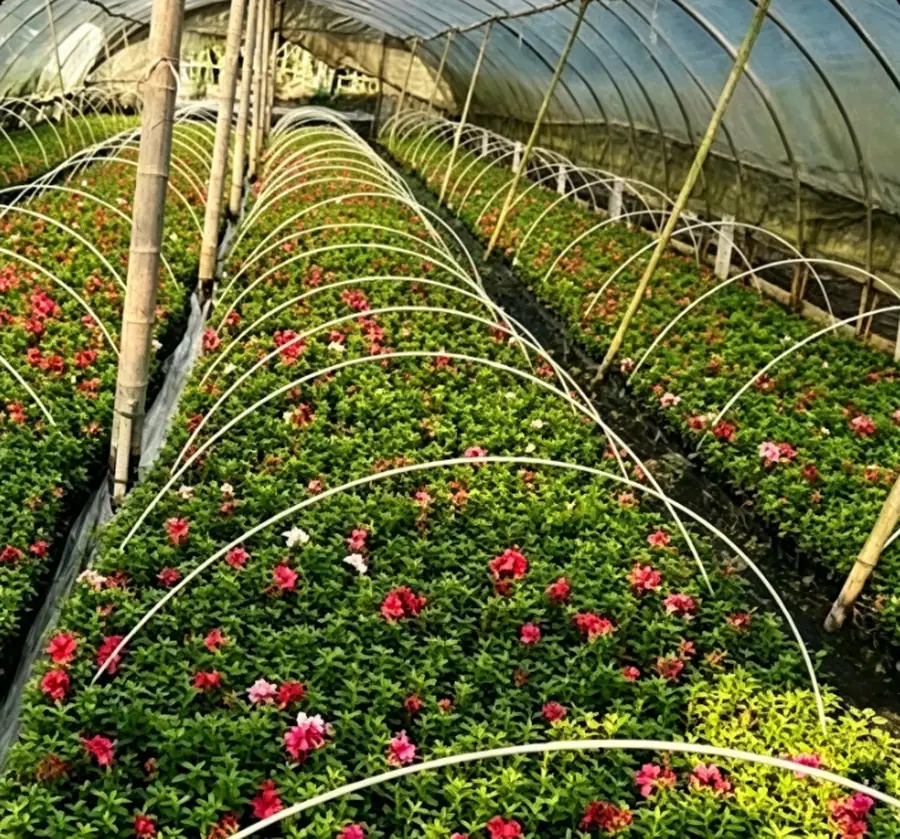
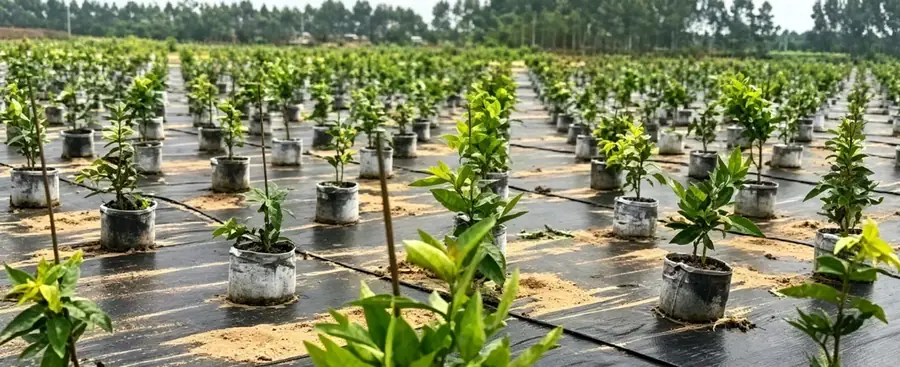
Complete Farming Packages
Choose a starting package, then adjust dimensions, performance functions, colors, roll lengths, packaging and labeling for the destination market or farm design.
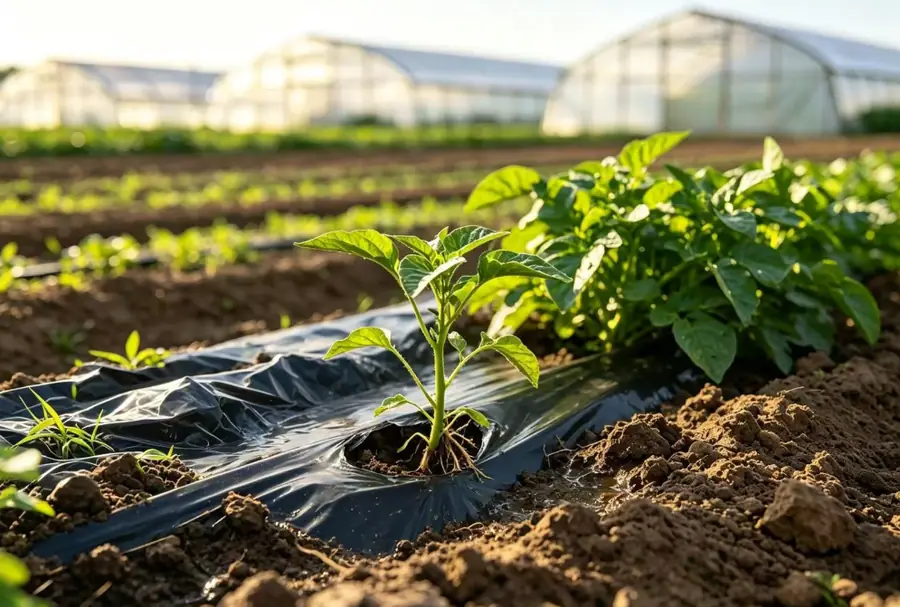
01
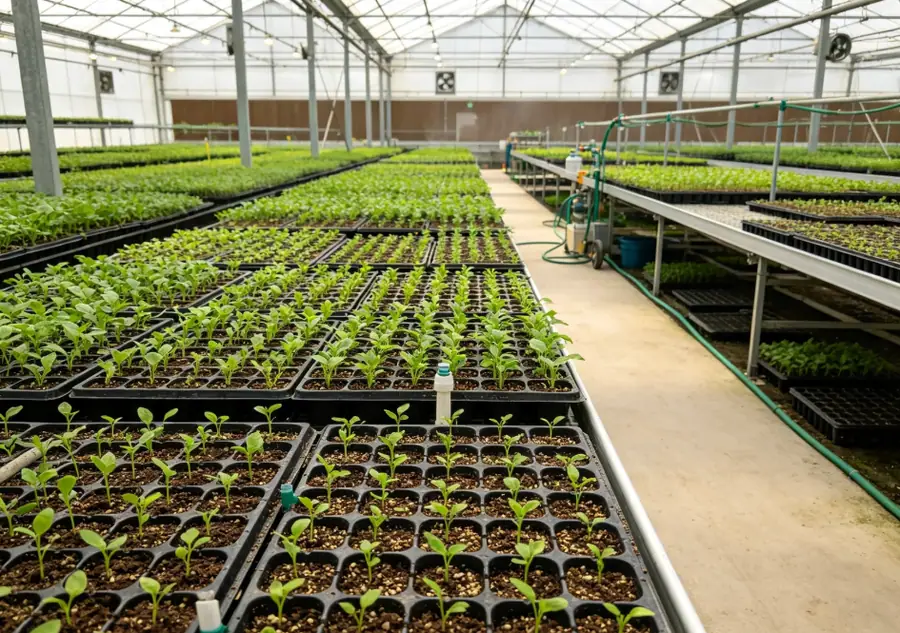
A practical package for seasonal vegetables and nurseries: greenhouse or tunnel film, insect net, drip tape, mulch film and bendable fiberglass rods. Specifications are matched to bed width, crop spacing and expected season length.
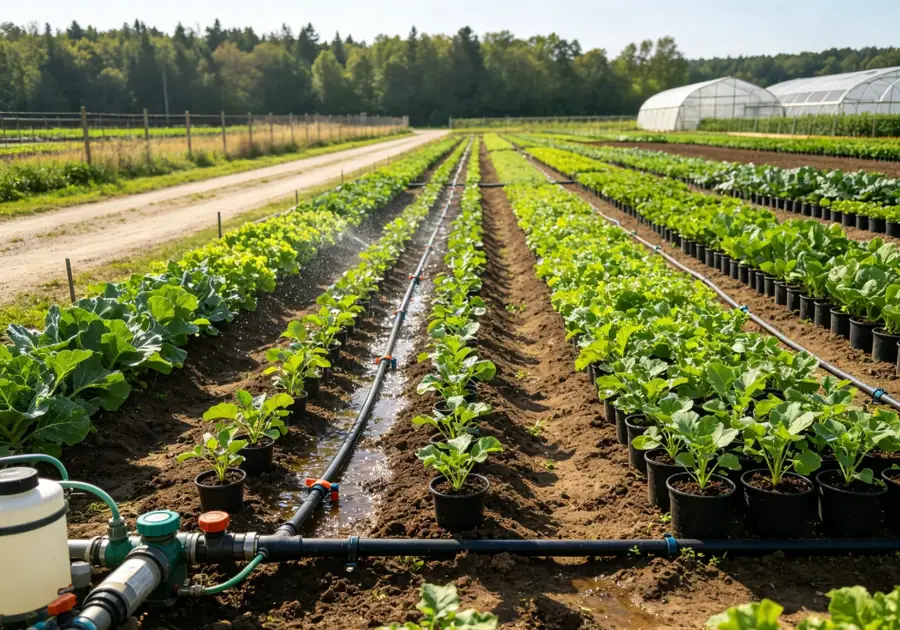
02
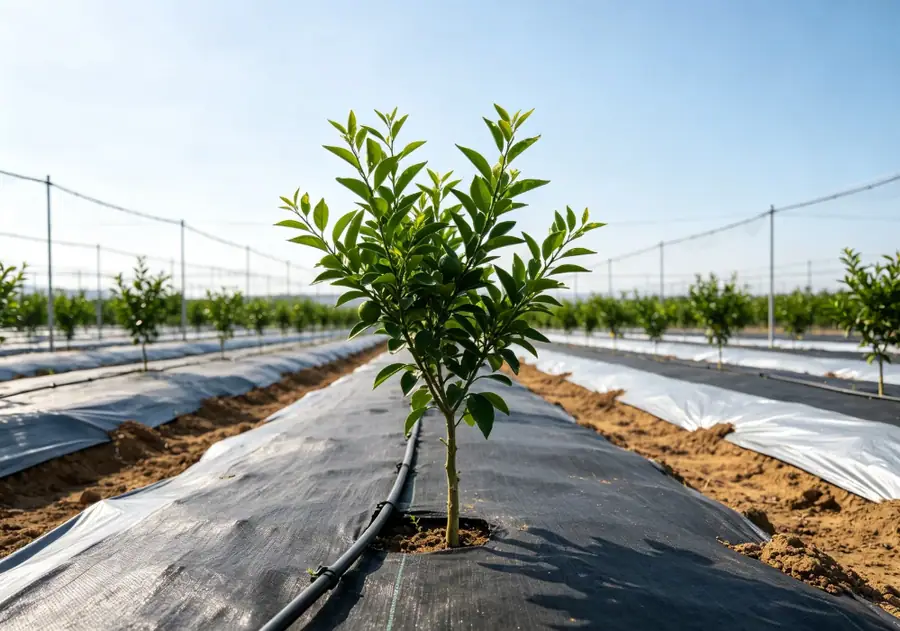
Designed for tomato, cucumber, pepper, strawberry and leafy-green projects. The package can combine long-life greenhouse film, insect net, 30–95% shade options, drip irrigation, mulch or weed-control fabric and crop-support accessories.
03
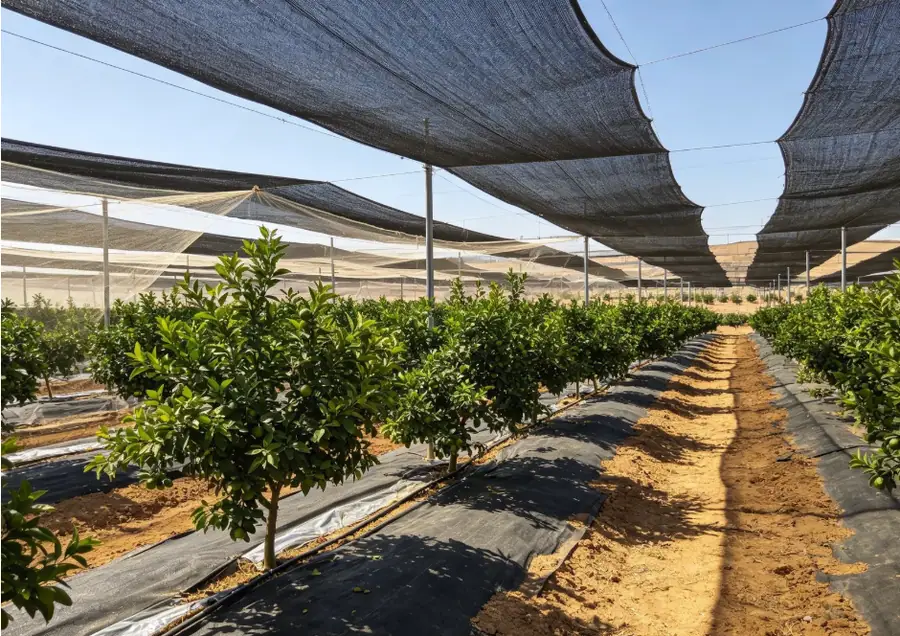
For strong solar exposure, heat or demanding weather, this package prioritizes UV-stabilized cover film, controlled light diffusion, suitable shade rate, ventilation-compatible insect mesh and durable ground and support materials.
Why Choose Our Solutions
The value of a complete solution is not simply more products. It is fewer specification conflicts, clearer purchasing decisions and materials selected for the same greenhouse objective.
01
Source greenhouse film, insect net, shade net, mulch film, weed-control fabric, drip tape and fiberglass rods through one coordinated supply plan.
02
Match film thickness and width, net mesh and shade rate, fabric GSM, drip-tape spacing and flow, and rod diameter to the project.
03
Select UV level, thermal function, diffusion, condensation control and material strength according to climate and expected operating life.
04
Define inspection items before production, including dimensions, thickness or GSM, tensile performance, optical properties, flow consistency and packaging.
05
Coordinate product specifications, carton or roll labels, loading plans and documents to reduce avoidable gaps between multiple product categories.
06
Support distributor assortments, trial quantities and larger project volumes with specifications that can be repeated when the approved sample is reordered.
Solution Process
A five-step workflow turns farm requirements into an auditable product list and reduces last-minute changes during production or installation.
01
Share crop type, greenhouse dimensions, location, climate, pest pressure, water conditions, expected service life and target budget.
02
Confirm cover-film functions, insect mesh, shade rate, ground-cover type, irrigation layout, support dimensions and applicable test requirements.
03
Review datasheets, dimensions, colors, roll formats, samples and packaging details before approving the order specification.
04
Produce against the approved requirements and inspect agreed characteristics such as thickness, GSM, dimensions, tensile properties, optical performance or emitter flow.
05
Coordinate labeling, packing, loading and shipment documents, then retain the approved specification for repeat orders and future expansion.
Representative Project Configuration
A distributor serving vegetable growers in a high-solar-radiation market needed compatible cover, shade, pest-control, floor and irrigation materials. The proposed configuration combined UV-stabilized greenhouse film, application-specific shade net, insect net, weed-control fabric, drip tape and fiberglass supports under one specification and packing plan. This is a representative configuration; verified customer performance data should be inserted before publishing it as a completed case study.
Coordinated
Product
Categories
Procurement
Model
Configuration
Basis
Frequently Asked Questions
Use these answers as a starting point. Final specifications should be confirmed against the crop, climate, greenhouse design and destination-market requirements.
What information is needed to configure a greenhouse solution?
Start with crop type, greenhouse or tunnel dimensions, project location, seasonal temperature range, solar exposure, wind conditions, target pests, water source, row spacing, expected service life and required quantity. Photos or drawings help us identify installation constraints.
How do I choose between PE, EVA and PO greenhouse film?
PE is a versatile and economical base material. EVA-enhanced film is commonly selected when flexibility and thermal performance matter. PO film is used for higher-performance applications requiring strong light transmission, weather resistance and longer-lasting functional properties. The final choice should be based on climate, crop, structure and budget—not material name alone.
Which insect-net mesh should I use?
Mesh must be chosen by the smallest target pest while preserving enough airflow for the crop and climate. Higher mesh counts can improve exclusion of smaller insects but may reduce ventilation. Common agricultural options include 24–80 mesh, with custom constructions reviewed for the target application.
What shade rate is suitable for a greenhouse?
Shade rate depends on crop light demand, season, latitude, greenhouse ventilation and temperature-control strategy. Available shade-net configurations commonly range from 30% to 95%. A higher percentage is not automatically better; excessive shading can reduce photosynthesis and crop performance.
Can the products be customized for our market or project?
Yes. Dimensions, colors, UV level, functional additives, mesh, GSM, emitter spacing, flow rate, roll length, labels and packaging can be configured within production limits. Final tolerances and test methods should be written into the approved specification.
Which quality standards and tests can be specified?
Relevant test methods depend on the product and contract. Examples in the supplied product documentation include ISO 4593, ISO 527, ISO 4892 and ASTM D882 for films; ISO 13934 and ASTM D5035 for nets; ISO 10319 and ASTM D4595 for weed-control fabric; ISO 9261 for drip products; and ASTM D790 or ISO 14125 for fiberglass rods. Confirm the required standard and acceptance criteria before ordering.