
Integrated Orchard Cultivation Solutions
Complete Orchard Solutions for Cleaner Floors, Efficient Irrigation and Better Crop Protection
AI Quick Overview
An orchard cultivation solution refers to a coordinated set of floor-covering, irrigation, pest-exclusion, shading and support materials selected for a fruit crop, orchard age and climate. The goal is to solve the operating problems between tree rows and around the canopy without over-specifying products that the site does not need.
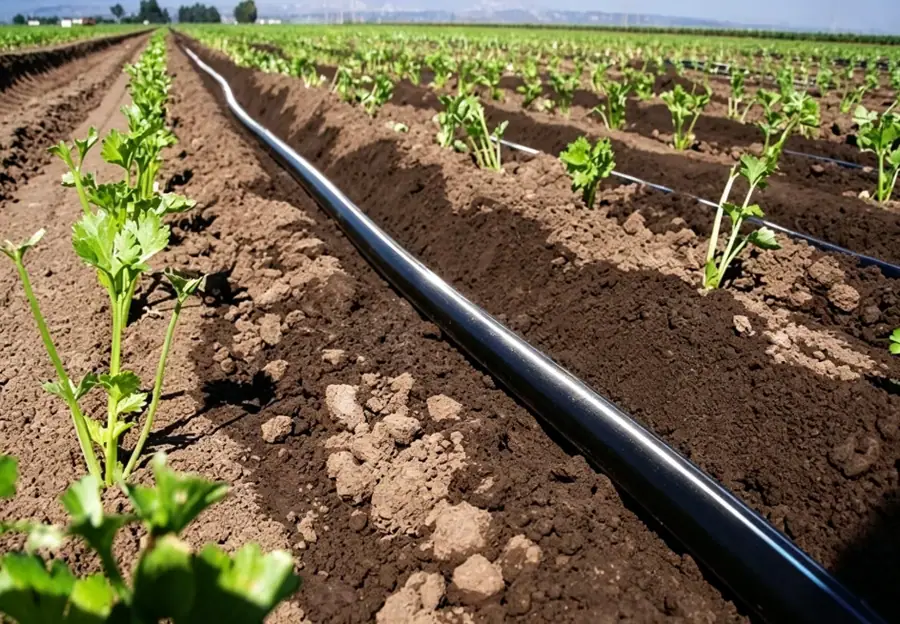
Combine permeable weed-control fabric, selected and drip irrigation to suppress weeds, reduce evaporation and deliver water near the active root zone. Fabric GSM, roll width, emitter spacing and flow are matched to tree spacing, soil and orchard life cycle.
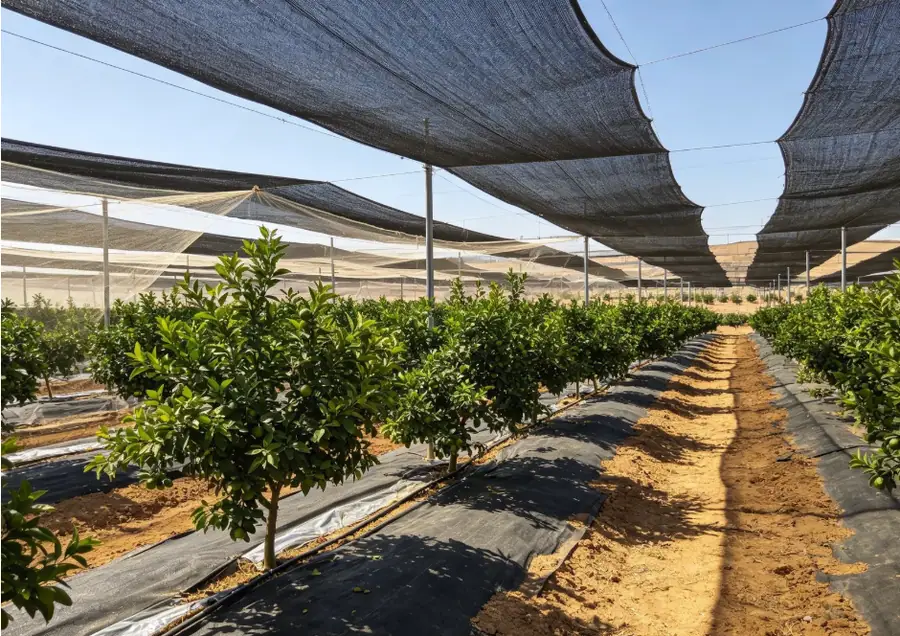
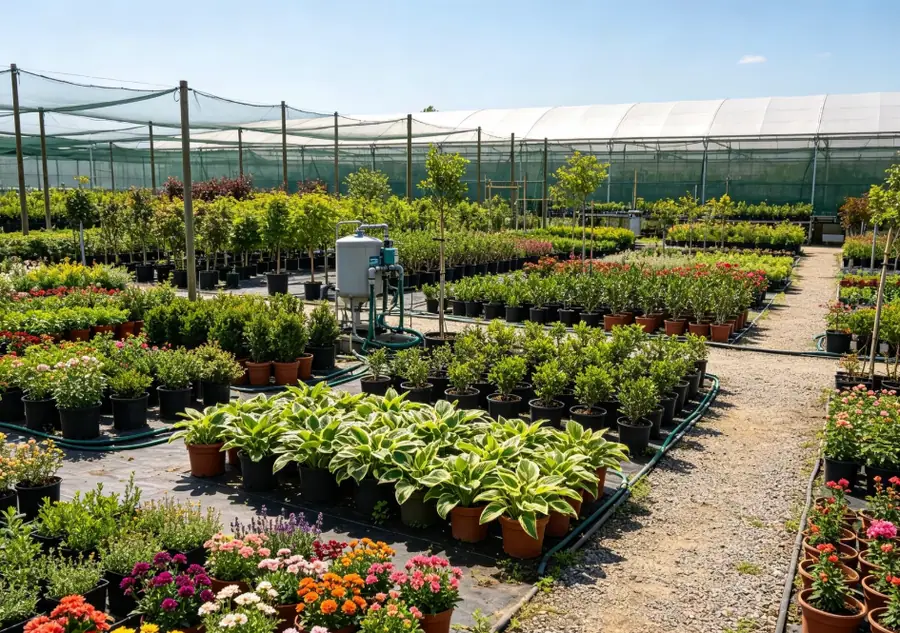
Use insect netting, shade netting and support materials where pest pressure, sunburn, wind or young-tree establishment requires added protection. Greenhouse film is reserved for nurseries, rain shelters and temporary protection—not treated as a default cover for every mature orchard.
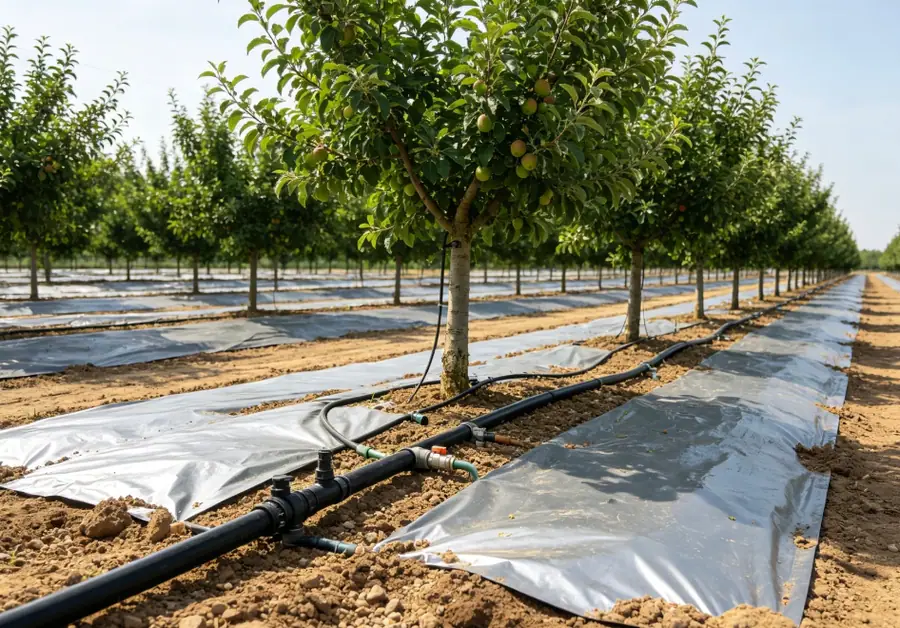
Solution Categories
Select the product combination according to orchard age, row layout, weed pressure, irrigation design, target pests, solar exposure and expected service life.
01
Woven or non-woven weed-control fabric and selected mulch films for weed suppression, moisture retention, cleaner fruit zones and easier row maintenance
02
Drip tape or dripline configurations selected by tree spacing, soil wetting pattern, row length, terrain, flow requirement and operating pressure.
03
HDPE insect and shade nets configured by target pest, airflow, light demand, shade rate, wind exposure and local UV intensity.
04
Fiberglass rods for young-tree and net supports, plus film options for fruit nurseries, rain shelters or temporary seasonal protection where the project requires them.
Application Scenarios
Orchard requirements change significantly between nursery stock, newly planted trees and mature high-density rows. The material plan must therefore follow the orchard stage as well as the crop.
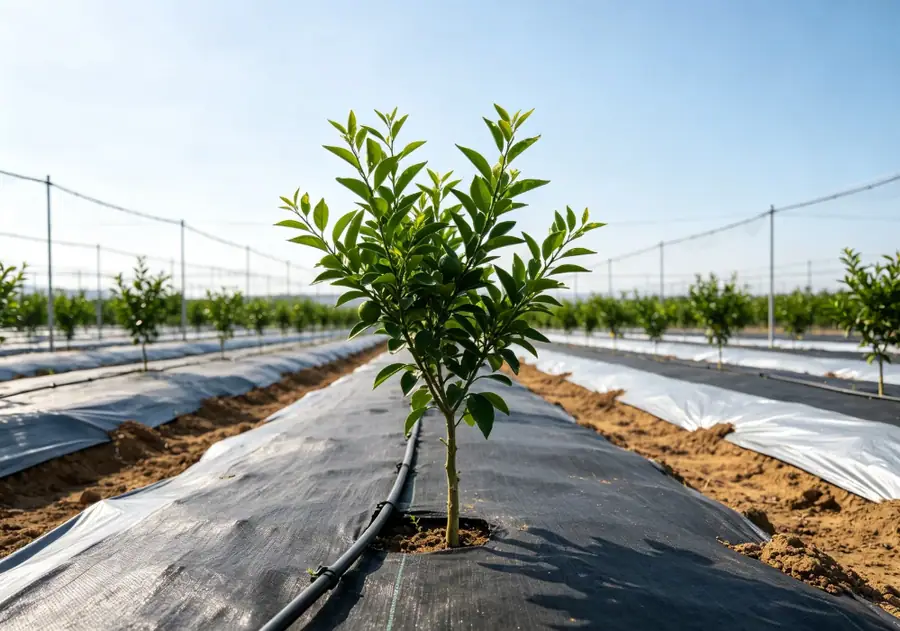
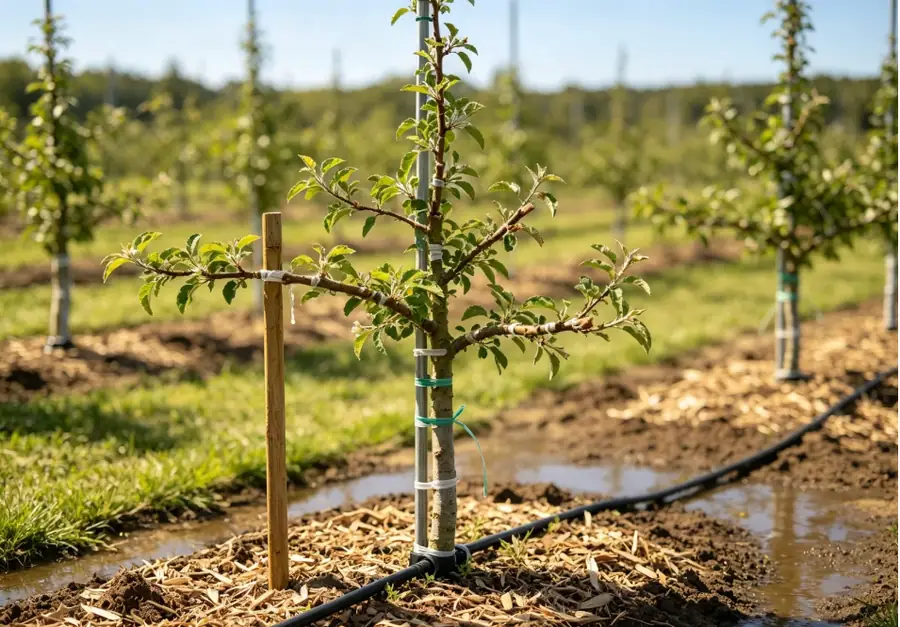
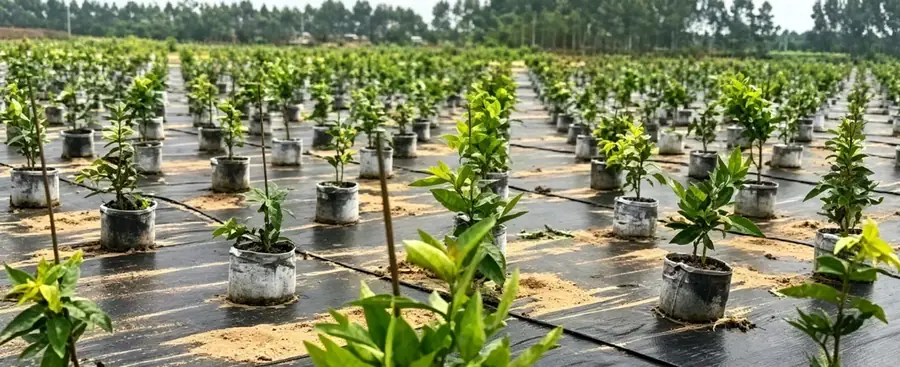
Complete Farming Packages
Start with the orchard stage and operating problem, then adjust material, GSM, width, mesh, shade rate, emitter spacing, flow, UV level, roll format and packaging.
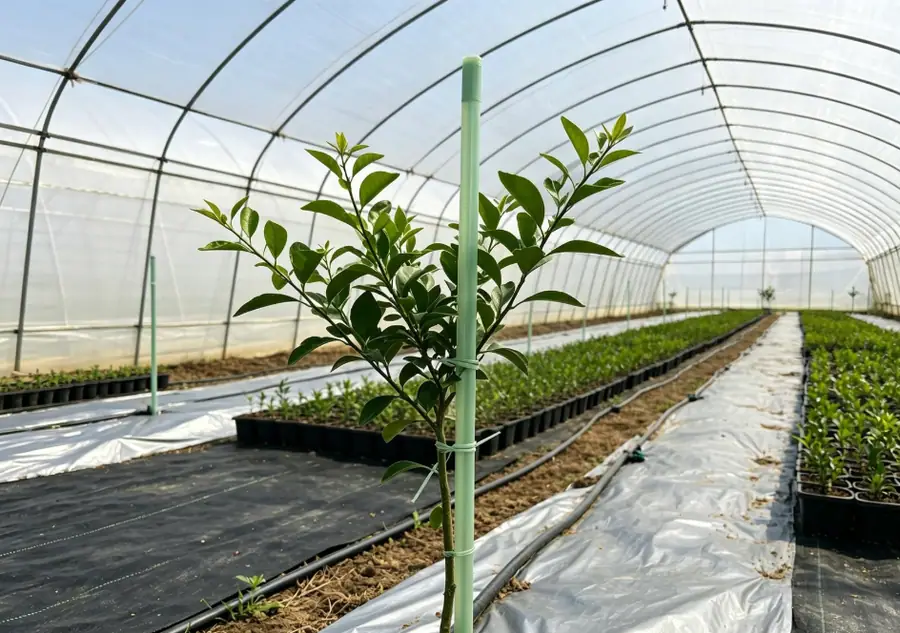
01
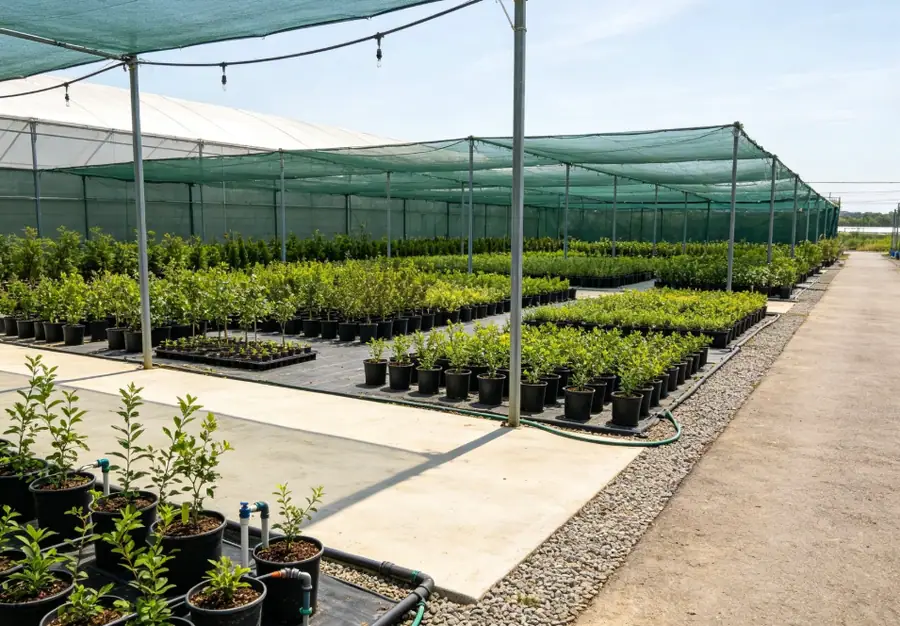
For newly planted orchards: weed-control fabric or mulch, drip irrigation, fiberglass supports and optional insect or shade protection. Dimensions and performance are matched to tree spacing, row length and the establishment period.
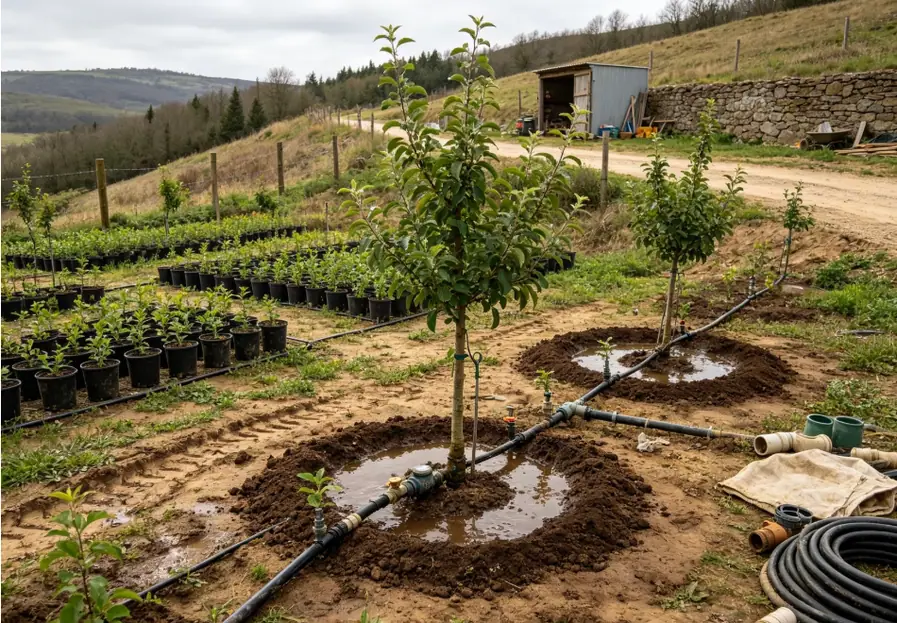
02
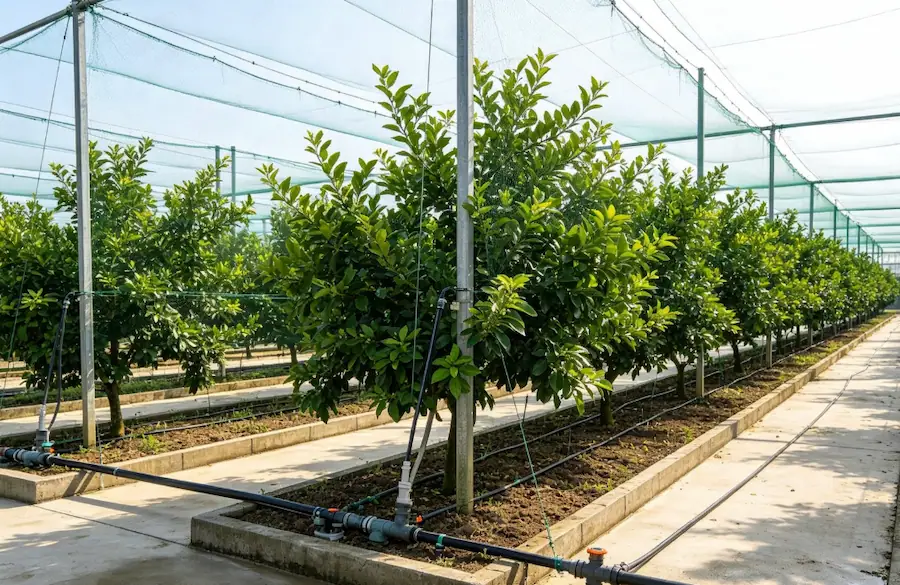
For mature commercial rows: durable weed-control fabric, root-zone drip irrigation and application-specific ground covering. The package focuses on weed suppression, water placement, maintenance access and repeatable row specifications.
03
For strong sun, heat, wind or pest pressure: UV-stabilized insect or shade net, suitable support materials, ground cover and irrigation. Mesh and shade rate are selected without ignoring the airflow and light required by the fruit crop.
Why Choose Our Solutions
A useful orchard solution should reduce mismatched specifications and unnecessary materials while keeping future replacement and expansion orders easier to repeat.
01
Coordinate ground cover, irrigation, protective netting, supports and seasonal covers through one project specification.
02
Configure products by fruit crop, orchard age, tree and row spacing, soil, terrain, pest pressure and climate.
03
Choose weed-control fabric by permeability, GSM, UV exposure and intended years of use—not simply by the lowest price per roll.
04
Balance pest exclusion and solar protection with the airflow and light required by fruit trees and flowering or ripening stages.
05
Define dimensions, GSM, tensile properties, water permeability, mesh, shade rate, emitter flow and other acceptance criteria before production.
06
Coordinate roll lengths, labels, packing and loading for distributor ranges, trial blocks and commercial orchard projects.
Solution Process
A five-step workflow turns orchard conditions into an auditable material list before production begins.
01
Share the fruit crop, orchard age, planting area, tree and row spacing, terrain, soil, climate, target pests, water source and expected service life.
02
Determine which zones require weed control, irrigation, canopy protection, young-tree support, nursery film or seasonal rain covering.
03
Confirm materials, dimensions, GSM, mesh, shade rate, emitter spacing and flow, UV requirements, roll formats, labels and samples.
04
Produce and inspect agreed characteristics such as dimensions, tensile performance, water permeability, shade rate and emitter-flow consistency.
05
Coordinate packing and shipment documents, then retain the approved row and product specifications for replacement or orchard expansion.
Representative Project Configuration
A distributor supporting newly established fruit orchards required a coordinated assortment for weed management, root-zone irrigation and early tree protection. The proposed configuration combined weed-control fabric, drip tape, fiberglass supports and application-specific netting, with roll and emitter specifications aligned to the row layout. This is a representative configuration; replace it with verified customer results before publishing it as a completed case study.
Coordinated
Product
Categories
Primary Orchard
Stage
Configuration
Basis
Frequently Asked Questions
Final specifications should be confirmed against orchard age, fruit crop, soil, climate, pest pressure, irrigation design and installation method.
What information is needed to configure an orchard solution?
Provide the fruit crop, orchard age, planting area, tree and row spacing, terrain, soil type, climate, pest pressure, water source and quality, expected service life and order quantity. Row drawings and site photos make specification work more reliable.
Which weed-control fabric GSM is suitable for orchards?
Common options range from approximately 50 to 150 gsm. Lighter grades suit shorter-term or lighter-duty use, while higher GSM can provide greater strength and longer service when the UV formulation and installation are also suitable. GSM alone does not determine life; sunlight, soil, traffic and fastening matter too.
Should an orchard use mulch film or weed-control fabric?
Use mulch film when seasonal soil warming, moisture retention or localized weed suppression is the priority. Use permeable weed-control fabric when longer-term weed control, drainage and access between or around rows matter. Some projects use both in different orchard zones.
How should orchard drip irrigation be selected?
Emitter spacing and flow must follow tree spacing, soil infiltration, root-zone width, row length and terrain. Available references include 10–50 cm spacing and 1–8 L/h flow options, but mature trees may require multiple emitters or a dedicated dripline design rather than a generic vegetable-row layout.
How do I choose insect net and shade net for fruit trees?
Select insect mesh by the smallest target pest while checking ventilation and pollination requirements. Select shade rate by crop sensitivity, solar intensity and fruit-development stage. Excessively fine mesh or heavy shade can create new production problems, so higher specifications are not automatically better.
What quality items can be checked before shipment?
Inspection can cover roll dimensions, GSM, tensile properties, water permeability, UV-related requirements, mesh, shade rate and emitter flow. Relevant methods may include ISO, ASTM or EN standards listed in the product documentation; the exact test and acceptance criteria should be agreed before production.