
Integrated Horticultural Nursery Solutions
Complete Nursery Solutions for Propagation, Plant Protection and Efficient Growing
AI Quick Overview
A horticultural nursery solution refers to a coordinated set of covering, shading, pest-exclusion, floor-management, irrigation and support materials selected for plant propagation and nursery production. The configuration changes between plug seedlings, flowers, ornamental plants, shrubs and young trees, so one fixed material list does not suit every nursery.
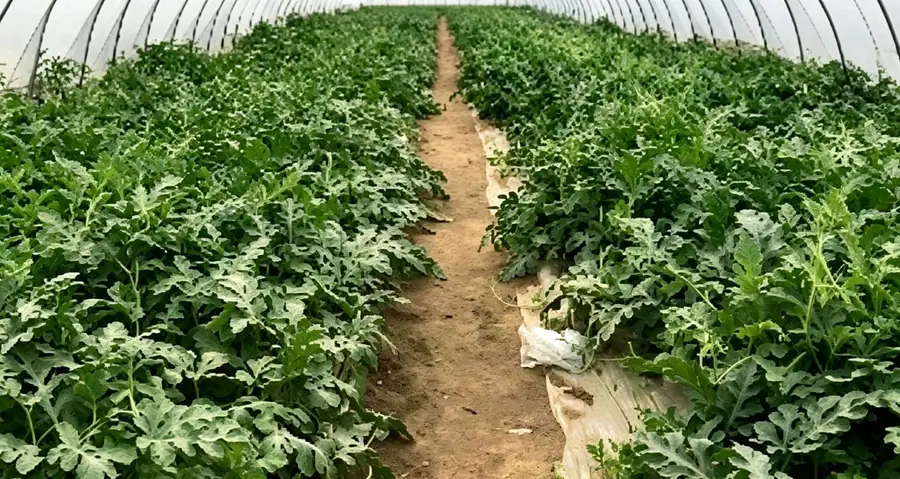
Combine PE, EVA or PO greenhouse film with application-specific shade netting to manage light, heat, rainfall and condensation during propagation. Film functions and shade rate are selected by plant species, growth stage, season and local solar exposure.
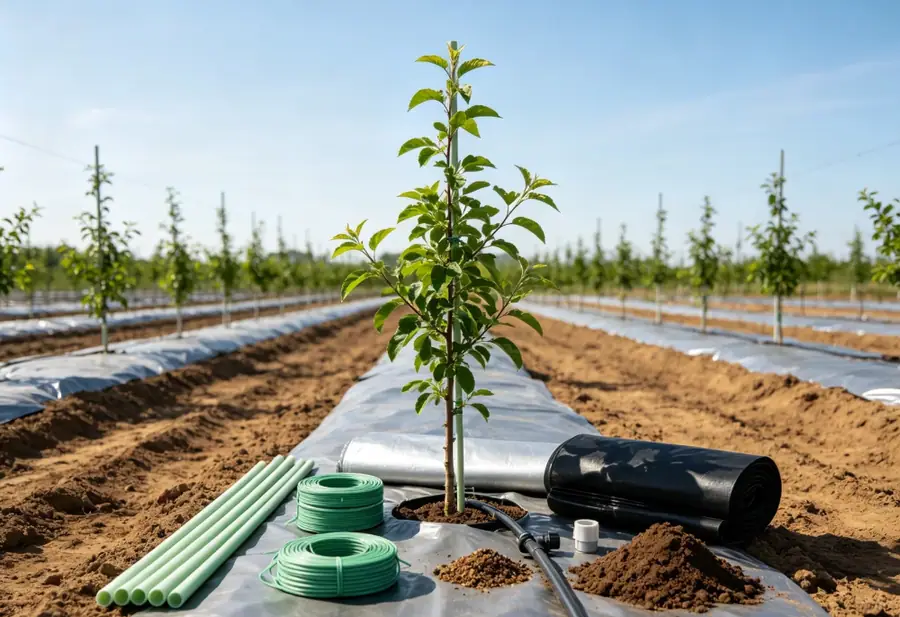
Use insect netting, permeable weed-control fabric, drip irrigation and fiberglass supports to protect young plants, keep nursery floors manageable and deliver water consistently. Specifications are matched to tray layout, container spacing, target pests and service life.
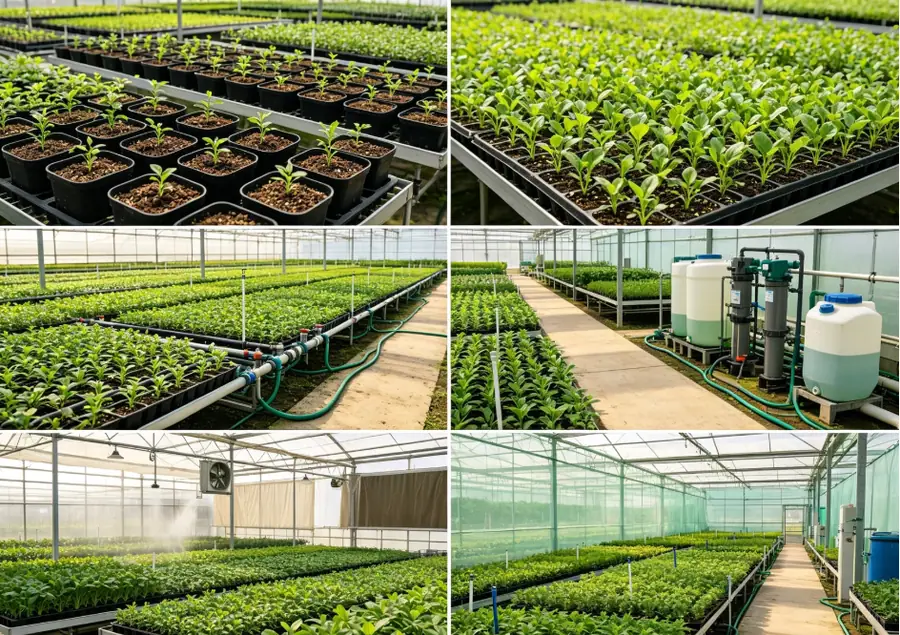
Solution Categories
Build the material plan around propagation conditions, plant sensitivity, pest pressure, floor layout, water delivery and the transition from protected growth to hardening.
01
PE, EVA and PO films for propagation houses, greenhouses and seasonal shelters, with configurable UV, light transmission, diffusion, thermal, anti-fog and anti-drip functions.
02
HDPE shade and insect nets selected by plant light demand, target pest, ventilation requirement, shade rate, mesh and local UV exposure.
03
Permeable weed-control fabric and selected mulch films for cleaner nursery floors, container areas, outdoor beds and reduced weed pressure.
04
Drip tape or irrigation layouts for beds and containers, plus corrosion-resistant fiberglass rods for low covers, net supports and young-plant training.
Application Scenarios
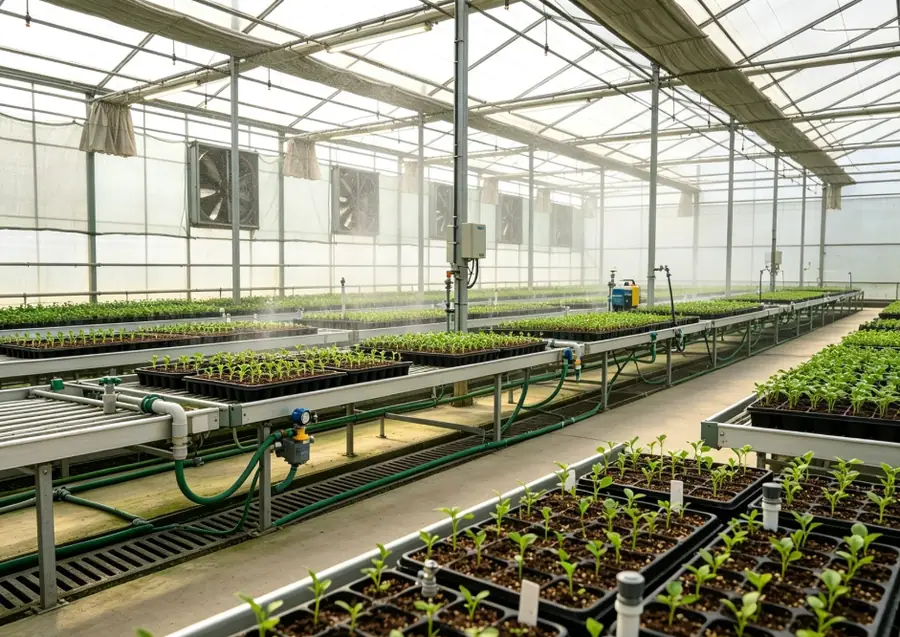
Complete Nursery Packages
Choose the closest production package, then adjust film type, shade rate, mesh, GSM, emitter layout, rod diameter, roll format, UV level, labels and packaging.
01
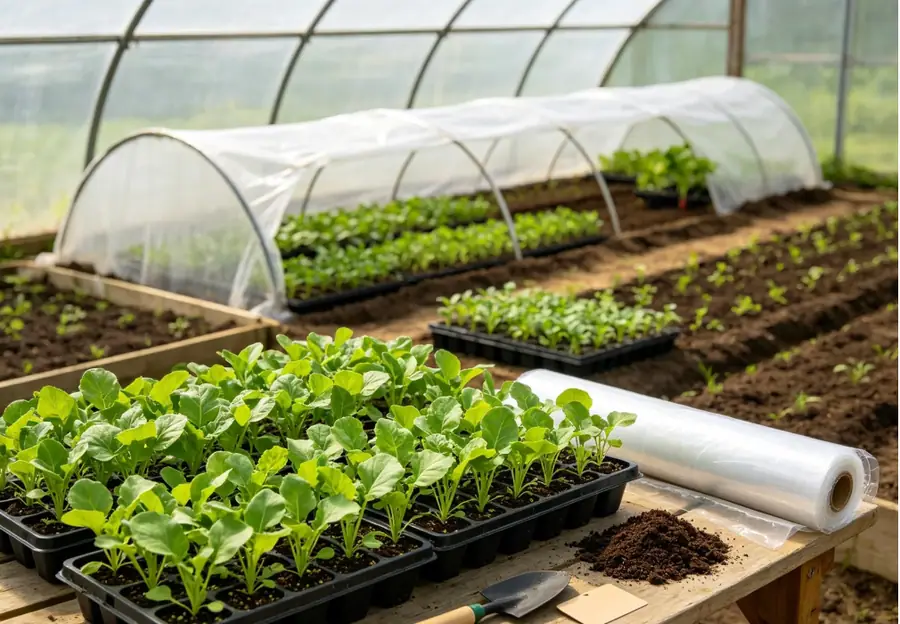
For plug trays, vegetable seedlings and young plants: greenhouse film, ventilation-compatible insect net, adjustable shade strategy, irrigation and fiberglass supports. Specifications follow germination conditions, bench layout and crop cycle.
02
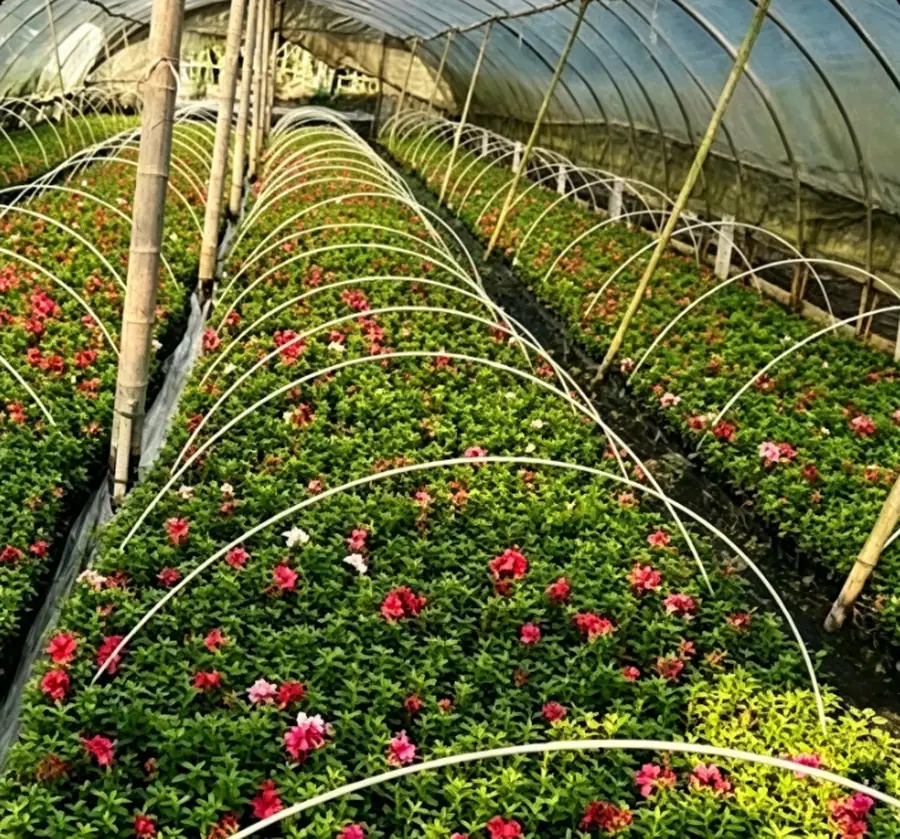
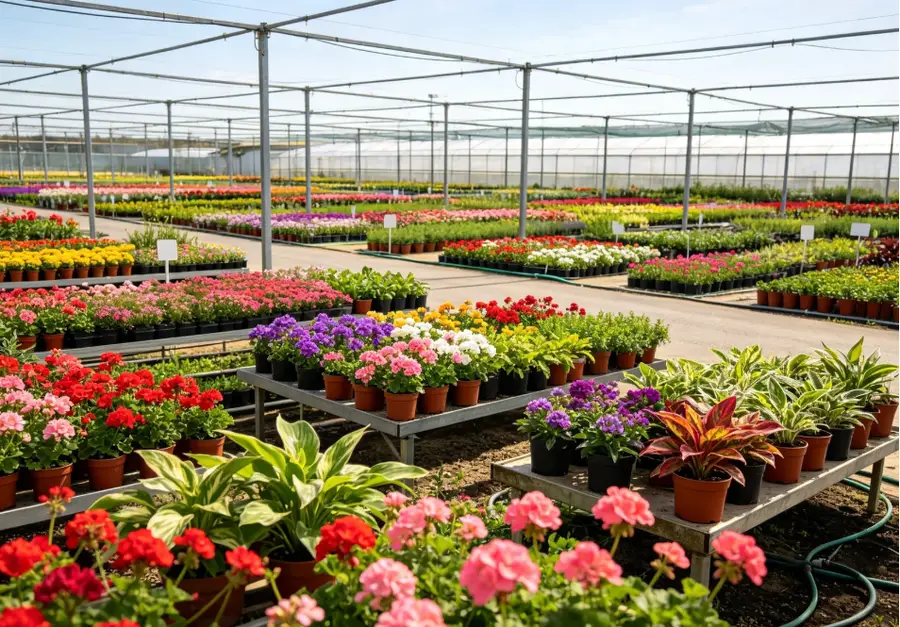
For flowers and ornamentals: suitable greenhouse cover, crop-specific shade net, insect exclusion, permeable floor fabric and localized irrigation. The package balances appearance, airflow, light quality and daily handling.
03
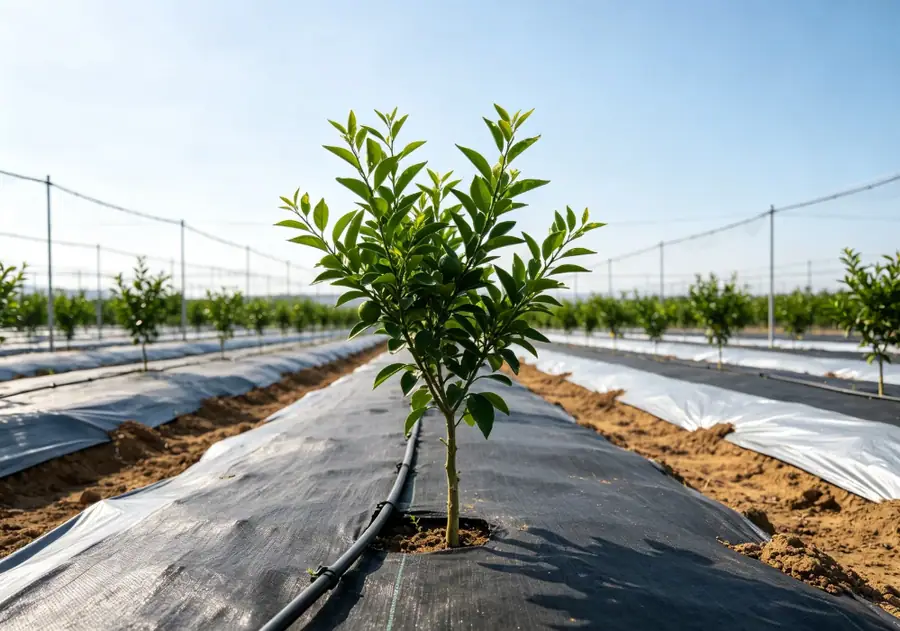
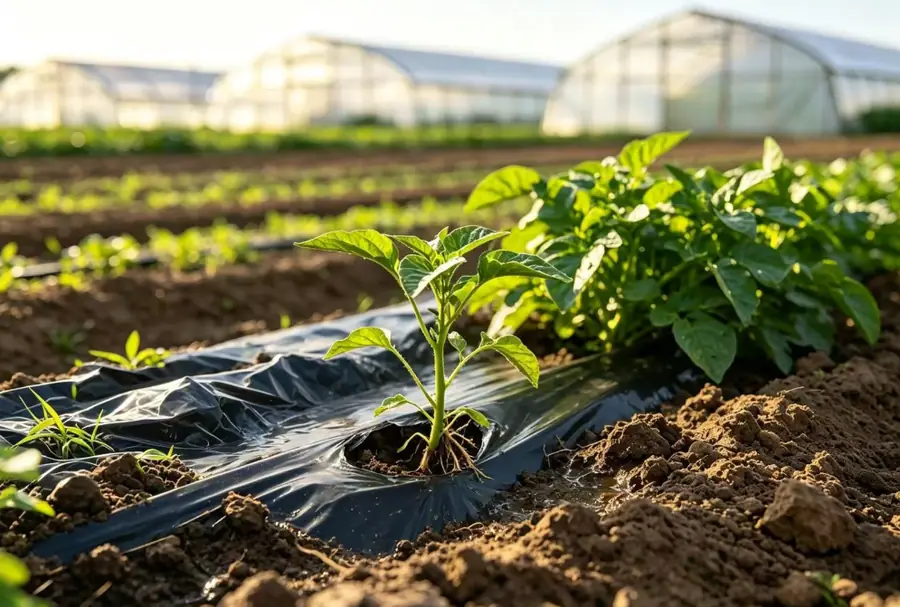
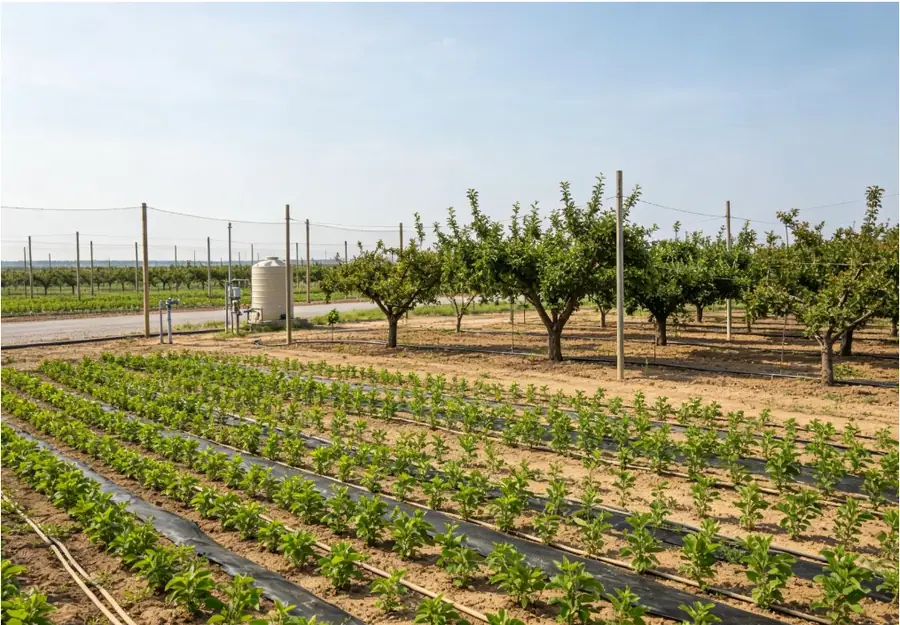
For outdoor containers, shrubs and young trees: durable weed-control fabric, drip irrigation, seasonal shade or insect net and fiberglass supports. Roll widths and irrigation layouts are coordinated with rows, aisles and container spacing.
Why Choose Our Solutions
A complete nursery solution is valuable when the products work together across propagation, growing-on and hardening—not when every category is simply pushed to the highest specification.
01
Coordinate greenhouse film, shade net, insect net, weed-control fabric, irrigation and fiberglass supports through one nursery material plan.
02
Configure materials by plant species, propagation stage, tray or container layout, season, climate and target pests.
03
Balance shade and pest exclusion with the light, airflow and humidity control required by sensitive young plants.
04
Customize film dimensions and functions, net shade rate and mesh, floor-fabric GSM, irrigation spacing and rod dimensions within production limits.
05
Agree on dimensions, thickness or GSM, tensile performance, optical properties, permeability and irrigation-flow requirements before production.
06
Coordinate roll formats, labeling, packing and loading for distributor assortments, nursery expansion and repeat production cycles.
Solution Process
A five-step workflow converts plant and nursery information into a clear, reviewable product list before production begins.
01
Share plant type, propagation method, nursery dimensions, bench or container layout, location, climate, growing stages, target pests, water source and expected service life.
02
Identify the required climate cover, shade, pest exclusion, floor management, irrigation zones and lightweight support components.
03
Confirm materials, dimensions, functional additives, shade rate, mesh, GSM, emitter spacing and flow, rod diameter, samples, labels and packaging.
04
Produce and inspect agreed characteristics such as dimensions, thickness, GSM, tensile performance, shade rate, light properties, permeability or emitter-flow consistency.
05
Coordinate packing and shipment documents, then retain the approved specification for the next propagation cycle, expansion or distributor reorder.
Frequently Asked Questions
Final specifications should be confirmed against plant species, growth stage, climate, nursery layout, pest pressure, irrigation design and installation method.
What information is needed to configure a nursery solution ?
Provide the plant species, propagation method, production stage, nursery dimensions, bench or container layout, seasonal temperature and solar conditions, target pests, water source, expected service life and order quantity. Photos and layout drawings improve specification accuracy.
Which shade rate is suitable for seedlings and nursery plants?
Shade rate depends on species, propagation stage, season, latitude and greenhouse ventilation. Available shade-net configurations commonly range from 30% to 95%, but seedlings and ornamentals have very different light requirements. A higher shade rate is not automatically safer.
How should insect net mesh be selected for a nursery?
Select mesh by the smallest target pest, then verify airflow and humidity management. Common agricultural options include 24–80 mesh. Very fine netting may improve exclusion of smaller insects but can reduce ventilation and increase heat or humidity risk.
Which greenhouse film is suitable for propagation houses?
Typical greenhouse-film configurations include PE, EVA and PO options, approximately 80–200 μm thickness and 4–16 m width, with UV, light diffusion, thermal, anti-fog and anti-drip functions available by project. The correct selection depends on structure, crop sensitivity, climate and required service life.
What GSM weed-control fabric should a nursery use ?
Common nursery and horticultural fabric options range from about 50 to 150 gsm. Select GSM together with permeability, UV formulation, traffic level, container load, fastening and intended service life. GSM alone does not guarantee durability.
What quality items can be checked before shipment?
Inspection can cover dimensions, film thickness, fabric GSM, tensile properties, light transmission or shade rate, water permeability and emitter flow. Relevant ISO, ASTM or EN methods listed in the product documents can be specified, but the exact test and acceptance criteria must be agreed before production.