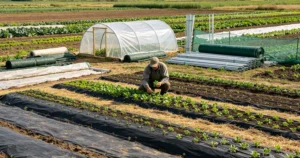
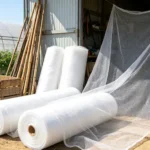
As commercial fruit and vegetable production expands worldwide, farmers are increasingly dealing with pest outbreaks, rising pesticide costs and stricter pesticide residue requirements. Traditional chemical‑based pest control methods not only increase farm expenses, but can also lead to pest resistance while affecting crop quality and export compliance. For this reason, insect netting is becoming a more practical solution for many smallholder farmers and commercial agriculture businesses.
How Does Agricultural Insect Netting Work?
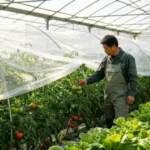
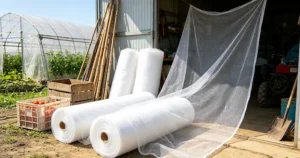
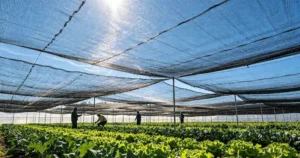
Agricultural insect netting is usually made from high‑density polyethylene, often with UV stabilizers added to extend service life. The finely woven mesh creates a physical barrier that helps reduce the entry of common pests such as whiteflies, thrips, aphids and leaf miners, while maintaining good airflow, light transmission and water permeability. For crops such as tomatoes, cabbages, peppers, beans and strawberries, using insect netting properly can lower pesticide application frequency, reduce chemical costs and improve crop quality.
Growing Global Demand for Physical Pest‑Control Solutions
Demand for agricultural insect netting keeps growing across global agricultural markets. Large export‑oriented farms often prefer thicker, more durable nets with longer service life, while small‑scale farmers are moving from traditional open‑field planting toward more protected growing methods. Since quality insect netting can be reused for several growing seasons, it can reduce annual input costs over time and deliver clear economic value for farms.
Core Advantages of UV‑Treated HDPE Insect Net
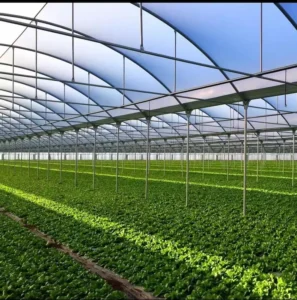
The industry is also seeing product upgrades in two main areas. The first is material and durability improvements, including stronger UV resistance and tear resistance to handle intense sunlight, high temperatures and heavy rainfall in different climates. The second is more targeted mesh specifications, offering different net sizes for specific pests and crops to balance pest exclusion with good ventilation inside greenhouses.
Key Factors to Choose Suitable Mesh Size
For agro‑dealers, farm owners and growers, choosing insect netting suited to local climate conditions is an important step toward greener farming, lower chemical dependency, better crop quality and stronger export readiness. As physical pest control becomes more widely accepted, agricultural insect netting is expected to remain a key product for protected agriculture around the world.
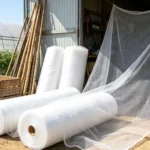
If you need customized size of agricultural insect net, welcome to contact us.